Busy Stores, Empty Carts: Why Connecticut Retailers Are Winning on the Sidewalk and Losing on the Screen
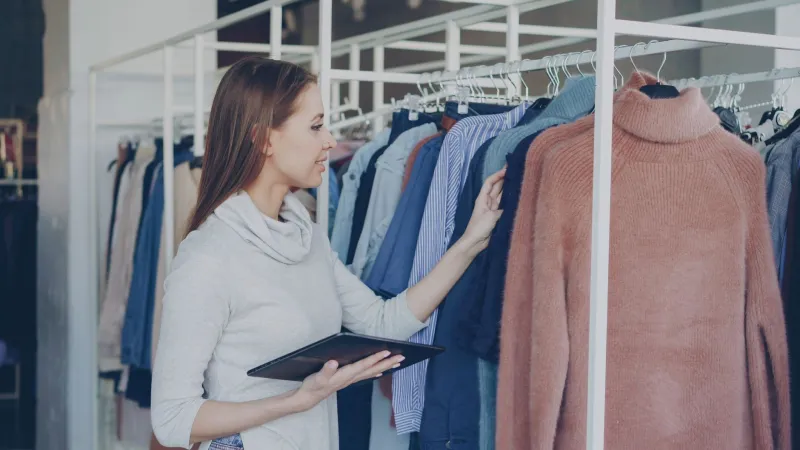
Walk through downtown Mystic on a Saturday afternoon, stroll the shops along Greenwich Avenue, or browse the boutiques in Putnam's Antique District — Connecticut's independent retail scene has real energy. Foot traffic is back. People are shopping local, craving the experience that Amazon can't replicate. By all appearances, Main Street is having a moment.
So why are so many of these same stores quietly hemorrhaging revenue to national e-commerce competitors every single night after they close their doors?
The uncomfortable truth is this: a packed store on a Friday doesn't mean your business is thriving digitally. And in 2024, those two things can no longer exist in separate lanes.
The Visibility Gap Nobody Talks About
Here's a scenario that plays out constantly across Connecticut. A customer visits your store, loves what they see, but doesn't buy that day — maybe they're comparison shopping, maybe they're not ready to carry it home. They pull out their phone later that evening to find your website and order online, or at least check if you have more inventory. What they find instead: a site that looks like it was built in 2011, no online store, and a Google Business Profile with outdated hours.
So they go to Wayfair. Or Etsy. Or Amazon. And you never know you lost them.
This isn't a hypothetical — it's a pattern that shows up repeatedly when Connecticut retailers dig into their analytics (when they have analytics at all). The gap between physical presence and digital capability is real, it's costing real money, and for a lot of independent shops, it's widening every year.
What's Actually Holding CT Retailers Back
The barriers aren't mysterious. They tend to fall into a few consistent categories.
A website that can't do the work. A lot of Connecticut small retailers have a website — but having a website and having a functional digital storefront are very different things. If your site doesn't load fast on mobile, doesn't show accurate inventory, and doesn't make it dead simple for someone to buy or at least confirm you carry what they need, it's not helping you. It might actually be hurting you by creating a bad first impression.
Inventory systems stuck in the past. This one is a quiet killer. If your point-of-sale system and your online presence aren't connected, you're either manually updating product listings (and probably not doing it consistently) or you're showing inventory that doesn't reflect reality. Both outcomes erode customer trust fast.
Mobile commerce blind spots. More than 60% of retail-related searches happen on smartphones. If your website isn't optimized for mobile — easy navigation, fast load times, a checkout process that doesn't require a desktop keyboard — you're losing those customers before they even see your products.
Weak local search presence. When someone in Fairfield searches "women's boutique near me" or "kitchen supply store Simsbury," does your shop show up? If your Google Business Profile is incomplete, your NAP (name, address, phone) data is inconsistent across directories, and you have no recent customer reviews, the answer is probably no — even if you've been in business for 20 years.
The National Competitor Advantage (and How to Chip Away at It)
Let's be honest about what you're up against. National retailers and e-commerce platforms have massive technology teams, massive ad budgets, and years of head start on digital infrastructure. You're not going to out-spend them.
But here's what they can't buy: local authenticity, community trust, and the kind of personalized experience that actually keeps customers coming back. Your job isn't to beat Amazon at its own game — it's to make sure that when someone in your town is ready to buy something you carry, you show up, you look credible, and you make the purchase easy.
That's a winnable fight. But you have to actually show up for it.
Quick Wins Connecticut Retailers Can Implement Right Now
You don't need a six-figure tech overhaul to start closing the digital gap. Here are moves that real Connecticut retailers have used to start turning things around:
Claim and complete your Google Business Profile. Add current hours, upload recent photos of your store and products, respond to existing reviews, and make sure your address matches exactly what's on your website and any other directory listings. This alone can meaningfully improve your visibility in local search results.
Get your inventory online — even partially. You don't have to list every SKU. Start with your top 20 or 30 best-sellers. Use a platform like Shopify or Square Online that can sync with your in-store POS so inventory stays accurate. Even a partial online catalog gives customers a reason to visit your site and builds confidence that you have what they're looking for.
Ask for reviews — and make it easy. Reviews are local SEO fuel. Send a follow-up text or email after a purchase with a direct link to your Google review page. Most happy customers will leave a review if you make it a two-tap process. Most won't bother if they have to hunt for it.
Run hyper-local paid ads. A modest Google or Meta ad budget — even $200 to $400 a month — targeted tightly to your zip code or town can drive meaningful local traffic. The key is targeting people searching for what you actually sell, not just general awareness campaigns.
Make your site mobile-first, not mobile-friendly. There's a difference. Test your site on your phone right now. Is it fast? Is the text readable without zooming? Can you find the most important information in under 10 seconds? If not, that's your next project.
The Bigger Picture
Connecticut's independent retail community has something genuinely valuable — character, community connection, and the kind of shopping experience that people are actively seeking out as a reaction to the impersonal nature of big-box and online retail. That's a real asset.
But assets don't convert to revenue on their own. The stores that are going to thrive over the next decade are the ones that figure out how to carry that local magic into the digital space — not trying to become Amazon, but making sure that the customers who already love them can find them, engage with them, and buy from them online just as easily as they can in person.
The gap is real. But it's also closeable. And for Connecticut retailers willing to take it seriously, the opportunity on the other side is significant.