Your Smartphone Is a Film Studio: How Connecticut Home Service Pros Are Winning Customers With Simple Videos
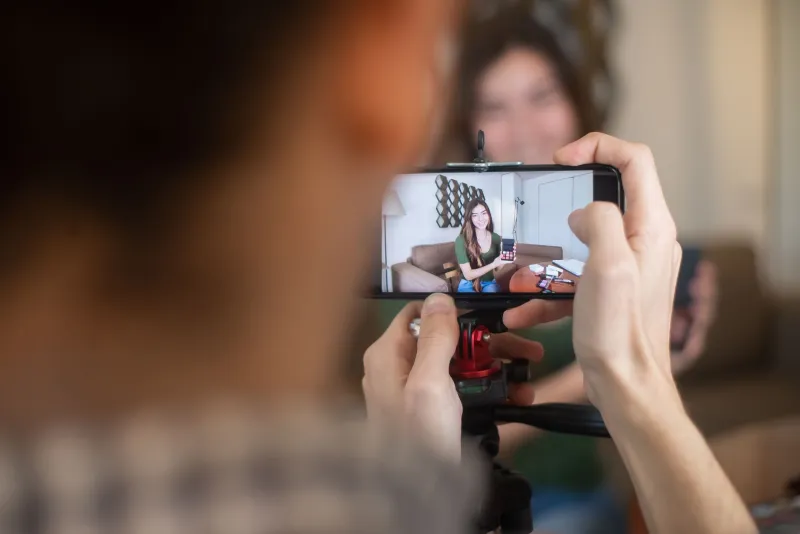
Somewhere in Glastonbury, a plumber is filming himself explaining why water pressure drops in older homes. He's standing in a customer's basement, his work van visible through the window behind him, talking directly into his iPhone like he's chatting with a neighbor. The video is forty seconds long, slightly shaky, and completely unscripted.
It has 14,000 views on TikTok and his phone hasn't stopped ringing since.
This is what video marketing looks like for Connecticut's home service businesses in 2025 — and it has almost nothing to do with production quality.
Why Authenticity Beats Polish Every Time
There's a persistent myth in the trades that video marketing is for big brands with agencies and lighting rigs. That myth is actively costing local service businesses leads.
The reality is that homeowners in Westport, Middletown, and Waterbury aren't looking for a Super Bowl commercial when they search for an HVAC contractor. They're looking for someone who seems competent, trustworthy, and real. A slickly produced ad can actually work against you because it feels corporate and distant. A genuine video of you explaining how to spot early signs of a failing furnace? That builds the kind of trust that converts browsers into booked appointments.
Short-form video platforms — TikTok, Instagram Reels, and YouTube Shorts — are specifically designed to reward authenticity and consistency over production value. The algorithm doesn't care how many cameras you used. It cares whether people watched, shared, and engaged.
What to Actually Film (Even If You Think Your Job Is Boring)
Every service call is a potential video. Here are content types that consistently perform well for home service businesses:
Before-and-After Reveals
This is the easiest win. Film the clogged drain, the cracked pipe, the HVAC unit caked in grime. Do the work. Film the result. Add a fifteen-second voiceover explaining what caused the problem and how you fixed it. Homeowners find this genuinely fascinating because most of them have no idea what's happening inside their walls and pipes.
Quick Tips and Educational Clips
"Three things you should do before calling a plumber" or "Why your AC is running but not cooling" — these perform exceptionally well because they provide real value. Yes, you're giving away some knowledge for free. What you're actually doing is positioning yourself as the expert they'll call when the DIY approach doesn't cut it.
Customer Testimonials — Filmed on the Spot
After a job well done, ask the homeowner if they'd be willing to say a few words on camera. Keep it casual: "Just tell me what the problem was and what you thought of the work." Thirty seconds of a real Simsbury homeowner saying "Mike showed up on time, explained everything, and the price was fair" is worth more than any scripted ad you could produce. People trust people who look like them.
Behind-the-Scenes Content
Loading the van in the morning. Driving to a job. The weird thing you found inside a wall today. This kind of content humanizes your business and makes followers feel connected to you before they've ever called. Connection converts.
Platform Strategy: Where Connecticut Homeowners Are Actually Watching
You don't need to be everywhere. Pick two platforms and be consistent.
YouTube Shorts + YouTube is the strongest combination for home service businesses because it feeds directly into Google search. Someone in Norwalk Googling "how to fix low water pressure" might find your YouTube video before they ever reach a contractor directory. That's free organic visibility in your exact service area.
Facebook and Instagram are still where a significant portion of Connecticut's homeowner demographic — particularly the 35-60 age range — spends time. Instagram Reels get strong reach, and Facebook's neighborhood groups and local sharing culture can amplify your content in ways the algorithm alone can't.
TikTok skews younger but don't write it off. Gen Z is renting, buying starter homes, and making maintenance decisions. Getting in front of them now builds brand recognition that pays off for years.
Practical Tips for Filming With Just Your Phone
You don't need gear, but a few small habits make a big difference:
- Film horizontally for YouTube, vertically for TikTok and Reels. Know where the video is going before you hit record.
- Natural light is your best friend. Face a window. Avoid filming with the light source behind you — it'll wash out your face.
- A $20 clip-on microphone from Amazon will instantly improve your audio quality more than any camera upgrade. Sound matters more than picture.
- Keep it short. Aim for 30 to 90 seconds. If you need more time to explain something, break it into a series.
- Add captions. A significant portion of social video is watched on mute. Free tools like CapCut can auto-generate captions in minutes.
Measuring What's Working
You don't need to chase vanity metrics. For a home service business, the numbers that matter are profile visits, website clicks, and direct messages. Set up a simple Google Analytics goal for your contact form and track whether video referral traffic is converting. Many CT contractors are surprised to find that a video posted six months ago is still driving inquiries because it's indexed on YouTube and keeps getting found.
Consistency beats perfection here. One video a week, every week, for six months will outperform a single polished production every time. Show up, be genuine, be helpful — and let the algorithm do the rest.
Your competition is still debating whether video is worth the effort. That's your window.